

British Values
The DfE have recently reinforced the need ‘to create and enforce a clear and rigorous expectation on all schools to promote the fundamental British values of democracy, the rule of law, individual liberty and mutual respect and tolerance of those with different faiths and beliefs.' Actively promoting the values means challenging opinions or behaviors in school that are contrary to fundamental British values. At Hollybush Primary School these values are reinforced regularly and in the following ways:

Democracy
Every year the children decide on their class rules and expectations as a team. All children are involved in the drawing up of these agreements. The children have lots of opportunities to share their views and have a voice. There is a school council with elected members who meet to discuss issues raised in the class councils. The school council is provided with a budget which they can use to make changes agreed in these meetings. There are also school food ambassadors who work together to improve the lunch time experience for all pupils. Pupils are always listened to by adults and are taught to listen carefully and with respect to each other.

The Rule of Law
The importance of laws and rules, whether they are those in the class, school or the country are consistently reinforced during everyday life at Hollybush as well as when dealing with behaviour incidents and through school assemblies. The children are taught the value of and reasons for the rules and laws, the responsibilities that are involved and the consequences if these are broken.

Individual Liberty
At Hollybush, children are actively encouraged to make choices within a safe and supportive environment. We provide boundaries and education to help the children to make choices about a range of things such as what they learn, how they learn and which extra-curricular activities they will participate in. Through E-safety and PSHE lessons the children are taught to exercise rights and freedoms safely.
Mutual Respect
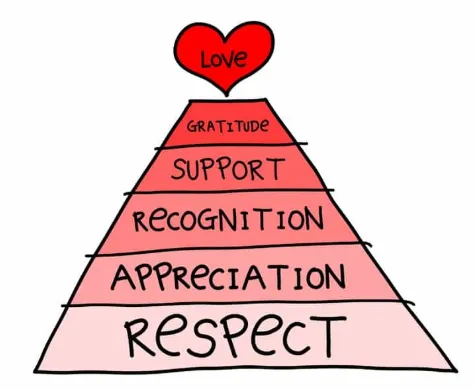
Children at Hollybush learn that we live in a country which is full of diversity. They are taught to respect and celebrate these differences, whatever they are.
RE lessons, ethos statements and assemblies and work in other areas of the curriculum highlight the differences between cultures around the world. Termly festival assemblies provide the opportunity for children to learn about different faiths and their beliefs.
Charity events are held at Hollybush each half term where children also think about people who are less fortunate than themselves.
At Hollybush we will actively challenge pupils, staff or parents expressing opinions contrary to fundamental British Values, including ‘extremist’ views.
In the UK, the Equality Act 2010 defines nine protected characteristics: age, disability, gender reassignment, marriage & civil partnership, pregnancy & maternity, race, religion or belief, sex, and sexual orientation, which protect individuals from discrimination, harassment, and victimization in areas like work, education, and services. These characteristics ensure people aren't treated less favourably due to who they are or their personal attributes, promoting fairness and equality.
The Nine Protected Characteristics:
-
Age: Protection against discrimination based on being young or old.
-
Disability: Covers physical or mental impairments that have a substantial, long-term negative effect on daily activities, requiring reasonable adjustments.
-
Gender Reassignment: Protection for people transitioning or who have transitioned from one sex to another.
-
Marriage and Civil Partnership: Protection for those who are married or in a civil partnership.
-
Pregnancy and Maternity: Protection for women who are pregnant or have recently given birth.
-
Race: Includes colour, nationality, and ethnic or national origins, covering racial groups and origins.
-
Religion or Belief: Covers religious faiths, philosophical beliefs (like humanism), and lack of belief.
-
Sex: Protection based on being male or female.
-
Sexual Orientation: Protection for being gay, straight, bisexual, or any other orientation.
Why Schools Teach Them
-
Legal Duty: Schools must promote equality and prevent discrimination.
-
Inclusivity: Help children understand and value differences.
-
Respect: Teach children to treat everyone with respect, regardless of their characteristics.
-
Safety: Create a safe environment where all pupils feel they belong.